Beyond Reach: Rethinking HCP Engagement at the Point of Care
Patrick Mullaney
Programmatic advertising has transformed HCP targeting. Pharma can now reach increasingly precise audiences, across more channels and closer to the point of clinical decision-making than ever before.
But precision in delivery does not guarantee relevance.
If the intelligence behind that targeting lacks timeliness or clinical context, reaching the right HCP may still mean reaching them at the wrong moment.
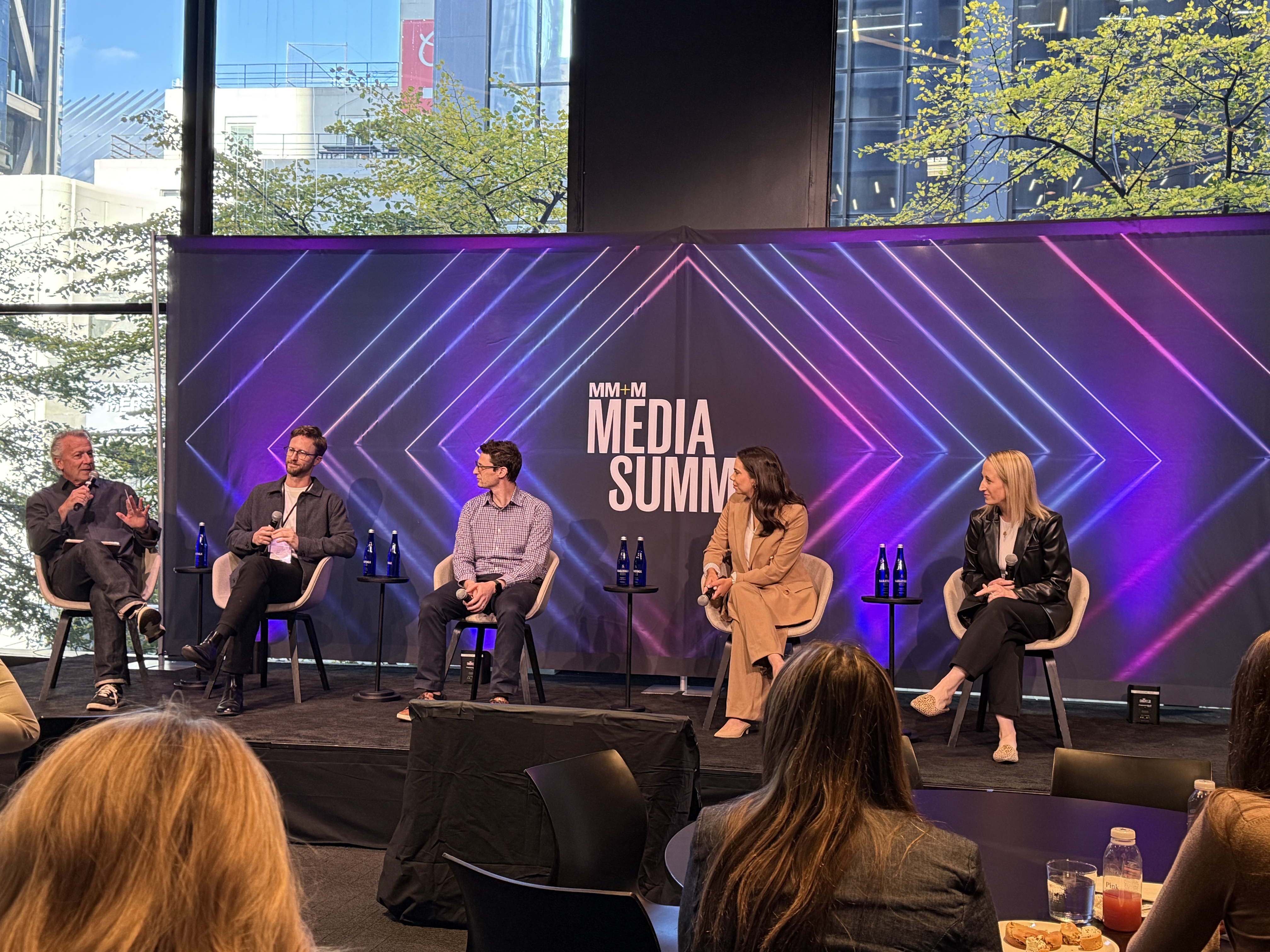
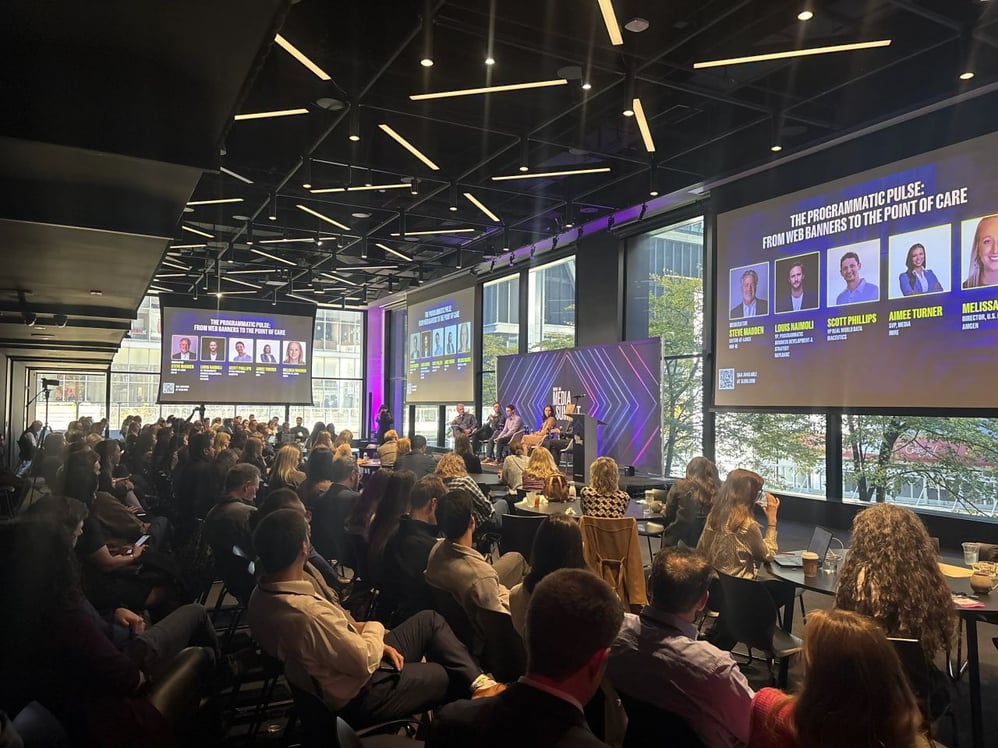
That tension was at the heart of The Programmatic Pulse: From Web Banners to the Point of Care at the MM+M Media Summit 2026, where Scott Phillips, VP of Real World Data at Diaceutics, joined industry leaders to explore the convergence of programmatic technology and point-of-care engagement.
Here are 3 key takeaways from the discussion for pharma marketers looking beyond reach towards more clinically informed HCP engagement.
1. Precision is not the same as relevance
The industry has become very good at answering one question: Can we reach this HCP? The harder question is: Do we understand why this moment matters?
Programmatic technology can increase the precision and speed of HCP targeting. But meaningful engagement also depends on understanding what is happening across the patient journey, which HCPs matter at different points and when engagement has the greatest potential to add value.
The opportunity is to move beyond traditional HCP engagement based primarily on audience characteristics or historical behaviour towards engagement informed by timely signals of clinical intent.
The HCP most visible in retrospective data may not be the HCP influencing the next clinical decision. Looking beyond billing events towards richer diagnostic and clinical data can bring more of the patient’s care into view.
2. More data isn’t necessarily better data
AI, automation and programmatic infrastructure can accelerate how quickly data is processed and activated.
But technology cannot create clinical context that isn’t there in the first place.
The question isn’t simply how much data pharma can add to its targeting strategy. It’s whether those data help build a more meaningful understanding of what is happening clinically. As Louis Naimoli, VP, Programmatic Business Development & Strategy at Haymarket Media US highlighted:
“There is a ton of value in implementing connected EHR strategies utilizing programmatic as the backbone. The complimentary nature of the channels, powered by clinical data signals, leads to more comprehensive media programs and outcomes."
The challenge, then, is not to layer data for the sake of having more of it. It is to identify the signals that can provide meaningful clinical context around the patient journey and the decisions being made.
Move beyond retrospective HCP targeting

3. Start with the patient journey, not the placement
The convergence of programmatic technology and point-of-care marketing gives pharma more opportunities to engage patients and HCPs closer to the moment of clinical decision-making.
But that creates another potential trap: Starting with where a message can be delivered rather than why it should be delivered.
Patient journey intelligence can help change that starting point. Timely diagnostic and clinical signals can provide greater context around who may need engaging, when that engagement may be relevant and how that intelligence can inform activation across channels.
Instead of starting with: Where can we reach this HCP?
The better question is: What is happening in the patient journey, and what would make our engagement relevant to this clinical moment?
The next frontier is relevance
Programmatic technology is making HCP targeting faster, more automated and increasingly precise.
The next challenge is ensuring that precision translates into relevance.
That means looking beyond whether an HCP can be reached and asking what the underlying clinical and diagnostic signals tell us about the patient journey, the decisions being made and the moments where engagement could matter most.
Because reaching the right HCP is only the beginning. Understanding why that HCP matters, for which patients and at what moment is where precision starts to become meaningful.
Turn diagnostic results into timely, targeted HCP engagement
Reach HCPs when it counts. Discover how Diaceutics can help you focus on the signals, audiences and decision points that matter across your engagement strategy.
FAQs
Why isn’t precision alone enough for effective HCP engagement?
How can clinical and diagnostic signals improve HCP targeting?
How can pharma make point-of-care HCP engagement more relevant?
How does Diaceutics support more timely and relevant HCP engagement?
Written By Patrick Mullaney


Newsletter sign up
READY TO DO COMMERCIALIZATION DIFFERENTLY?
You might also be interested in?
Amplifying Your Precision Medicine Strategy: The role of Engagement Experts and Peer Networks
Enhance your precision medicine strategy through multi-modal communications and peer engagement, driving effective diagnostic commercialization and maximizing patient outcomes.